 Ir al contenido
Fujian
Fujian Tulou
福建土楼
UNESCO-listed earthen villages where monumental architecture, Hakka traditions, and rural life come together in the hills of Fujian.
Discover Fujian Tulou
Why visit Fujian Tulou?
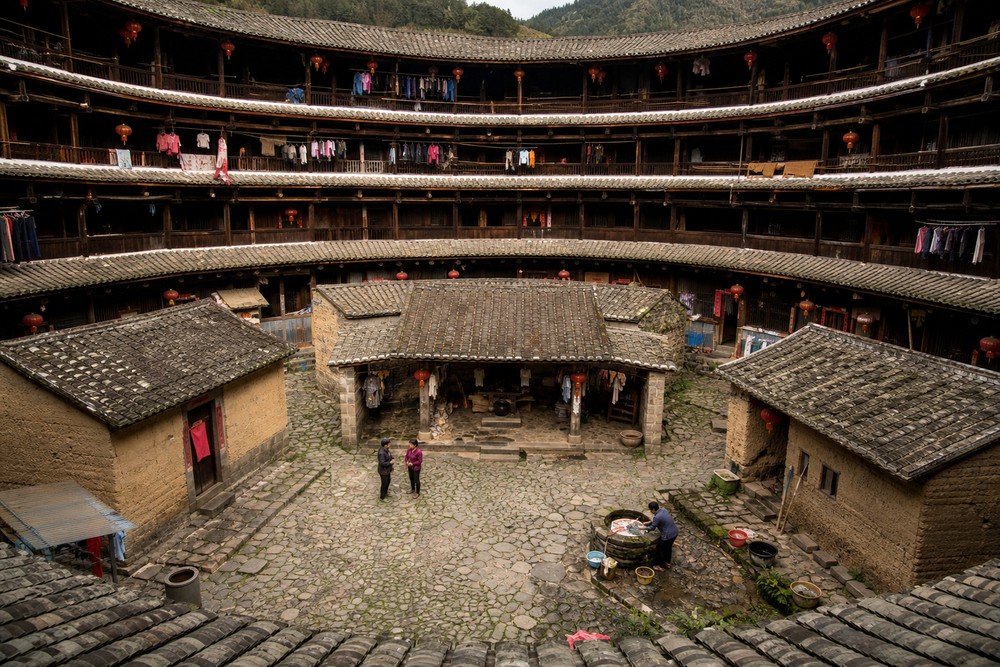
Fujian tulou are vast communal residences built from compacted earth, timber, and stone. Circular and square forms shelter courtyards, ancestral spaces, storage, and generations of family life within thick defensive walls.
The UNESCO World Heritage listing includes clusters across several counties. A thoughtful visit goes beyond exterior photographs to consider how architecture, kinship, agriculture, and village traditions shaped these living settlements.
Extraordinary Living Architecture
Tulou are among China’s most distinctive vernacular buildings, engineered for community, security, and the local climate.
Hakka and Minnan Traditions
Village visits reveal family organization, ancestral customs, farming, tea, and everyday life within shared spaces.
Rural Fujian Landscapes
Mountain roads, bamboo, fields, streams, and traditional villages make the journey part of the experience.
Top Experiences
Things to do in Fujian Tulou
Signature sights and authentic local experiences worth adding to your visit.
Enter a Circular Tulou
Stand in the central courtyard and understand the layers of kitchens, storage, rooms, galleries, and shared family space.
Compare Tulou Forms
Visit circular, square, and other layouts to see how builders adapted communal residences to different sites.
Walk Through a Living Village
Observe how residents, small shops, ancestral halls, and agricultural routines continue around heritage buildings.
Explore the Surrounding Hills
Add a village path or viewpoint for a wider sense of how tulou relate to farmland and valley geography.
Go Deeper
Culture & local food
Local culture
Tulou culture is inseparable from extended-family organization and rural life. Many famous buildings are associated with Hakka communities, while southern Fujian also includes Minnan tulou traditions.
- Communal living organized around family clans
- Ancestral halls and shared courtyards
- Rammed-earth construction adapted to local materials
- Tea, farming, and village hospitality
What to eat
Meals in tulou country are rustic and seasonal, often drawing on preserved vegetables, bamboo shoots, pork, chicken, tofu, tea, and produce grown in surrounding valleys.
- Local tea served inside village homes
- Bamboo shoots and seasonal mountain vegetables
- Hakka-style braised pork and preserved dishes
- Tofu, free-range poultry, and simple village soups
Plan Around the Weather
Best time to visit
Spring · March to May
BestGreen landscapes and mild walking weather, with periodic rain.
Summer · June to August
RecommendedLush and humid; expect heat, showers, and stronger sun between villages.
Autumn · September to November
BestComfortable temperatures and clearer rural views make autumn especially rewarding.
Winter · December to February
RecommendedQuieter and cooler, with misty landscapes; bring layers for unheated village interiors.
Know Before You Go
Practical travel information
Getting There
Most tulou clusters are reached by road. A private vehicle from Xiamen usually offers the simplest day-trip experience and allows flexible village stops.
Choosing a Cluster
Clusters differ in architecture, crowds, driving time, and walking. Select one coherent area rather than rushing between distant headline sites.
Respectful Visiting
Many tulou remain homes. Ask before photographing residents, avoid entering private rooms, keep noise low, and support community-run businesses.
Walking Conditions
Expect stone lanes, steps, uneven courtyards, and some uphill viewpoints. Tell your guide about mobility needs before departure.
Travel With Local Experts
Recommended Fujian Tulou tours

Fujian Tulou UNESCO Heritage Experience
Discover Fujian’s remarkable tulou villages with a knowledgeable local guide, explore centuries-old communal homes and learn how Hakka families have preserved their traditions.
Useful Reading
Fujian Tulou travel guides
Guía de viaje
Fujian Tulou Travel Guide: How to Visit the UNESCO Earthen Buildings
Learn how to visit Fujian Tulou from Xiamen, choose the right village area, travel respectfully, and understand these remarkable communal homes.
Read guideGuía de viaje
Inside a Fujian Tulou Courtyard: Architecture in Daily Life
Look beyond the famous circular walls to understand how courtyards, galleries and shared spaces continue to shape life in Fujian tulou villages.
Read guideGuía de viaje
Red-Brick Houses of Southern Fujian: Walls That Hold Memory
Explore the textures, courtyards and family history behind the red-brick houses that give southern Fujian villages and old streets their character.
Read guideGuía de viaje
Turismo sostenible en Fujian: cómo apoyar la cultura y las comunidades locales
Viaja por Fujian de forma más responsable con consejos prácticos sobre negocios locales, pueblos patrimoniales, fauna, residuos, transporte, fotografía y respeto hacia la comunidad.
Read guideFrequently Asked Questions
Planning a visit to Fujian Tulou
Can I include this destination in a private itinerary?
Yes. Eastorya can combine this destination with other places in Fujian and adjust the pace, transport, guiding, and accommodation to suit your trip.
Is English widely spoken?
English is limited outside major hotels and visitor facilities. An English-speaking guide makes transport, local meals, and cultural visits easier and more meaningful.
How far ahead should I plan?
Four to eight weeks is comfortable for most trips. Plan earlier around Chinese public holidays, popular weekends, or when you want distinctive accommodation.
Planifica con Eastorya
Explore Fujian Tulou with Local Context
Travel privately from Xiamen and experience UNESCO architecture, village traditions, and rural landscapes at a comfortable pace.
 English
  Spanish
  Vietnamese
  Indonesian
  Thai
Thai  Russian
  Korean