Quanzhou was one of the world’s great maritime trading ports during the Song and Yuan periods. Its heritage is visible not in one monument but across temples, bridges, docks, religious sites, streets, and landscapes connected to exchange. This layered history makes Quanzhou especially rewarding for travelers who enjoy walking, architecture, and stories about how cultures meet. The city deserves more than a quick stop between better-known destinations.
Understand the UNESCO story
The UNESCO property includes multiple components that together explain Quanzhou’s role as a global port. Administrative sites, production areas, transport infrastructure, religious buildings, and navigation landmarks formed one system. Visiting only the most photogenic temple misses that wider story. Begin with a museum or guided overview, then connect individual places through the themes of trade, community, belief, and technology.
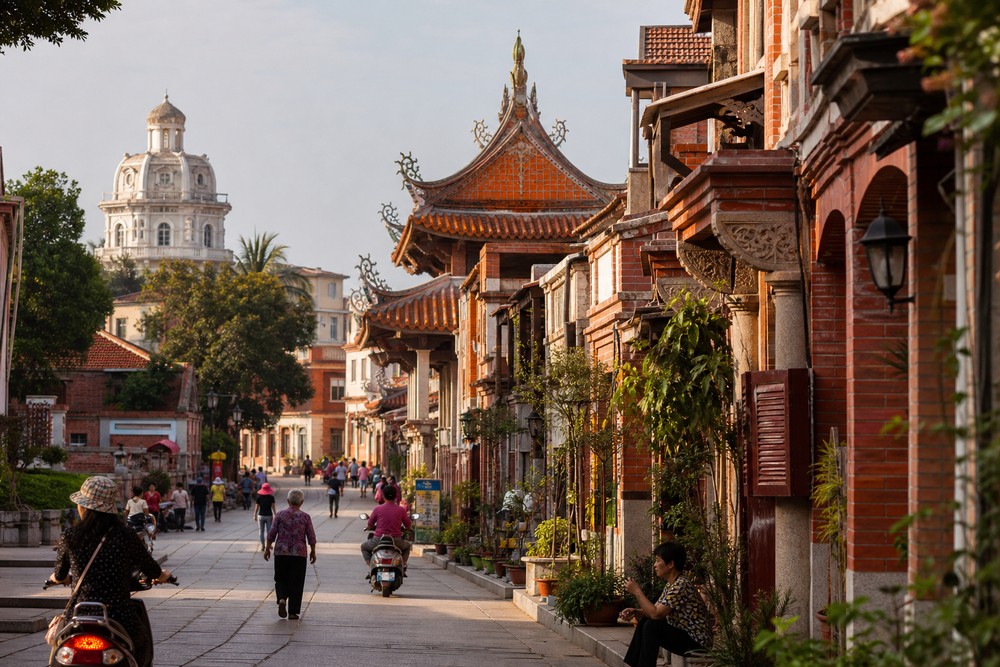
Walk the historic center slowly
West Street and nearby lanes provide access to major landmarks, food, traditional shopfronts, and daily life. Visit early for a quieter atmosphere, then return later if you want more energy. Look above modern storefronts to notice rooflines, stonework, and layers of adaptation. Smaller lanes can be more revealing than the busiest section, but remain considerate in residential areas.
Explore religious diversity
Quanzhou’s trading history supported Buddhist, Daoist, Islamic, and other communities. Religious sites remain places of worship, so dress and behave respectfully. Photography rules differ. A knowledgeable explanation helps visitors understand why architectural details, inscriptions, and spatial arrangements matter. Avoid presenting diversity as a curiosity; it reflects centuries of real exchange and community life.
Plan food and day trips
Local dishes draw on seafood, noodles, braised foods, tea, and regional snacks. Eat at places with clear hygiene and transparent pricing. With more time, visit historic bridges, coastal villages, or craft areas outside the center. Distances can be greater than they appear on a map, so group sites geographically and avoid spending the day in traffic.
How long to stay
One full day introduces the center, but two days are better for museums, religious sites, and an excursion. Quanzhou connects conveniently by high-speed rail, although the station is outside the historic core. Stay near the center if evening walks matter to you. Spring and autumn are comfortable, while summer requires slower pacing and regular indoor breaks.
How to fit this experience into a wider China itinerary
A strong itinerary gives this subject enough time to feel connected rather than isolated. Start by deciding how understand the unesco story, walk the historic center slowly, and explore religious diversity relate to the places before and after them. Keep arrival and departure days light, especially when a flight, ferry, rural drive, or large railway station is involved. Use one well-located base where possible and group nearby visits on the same day. This reduces repetitive transfers and leaves more energy for conversations, meals, and unplanned discoveries. If your schedule is short, remove a stop rather than shortening every stop. The best travel memories often come from an extra hour in one neighborhood or village, not from reaching the highest possible number of attractions.
Common planning mistakes to avoid
The first mistake is relying on an itinerary copied from a stranger whose season, pace, budget, and interests may be completely different. The second is treating travel time shown on a map as the full door-to-door journey. Security checks, station walks, traffic, weather, and ticket collection can add meaningful time. Another mistake is postponing essential preparation until arrival. Complete the practical items in this guide early, including start with a museum or historical overview and group unesco components by location. Finally, avoid making claims or bookings based only on promotional language. Check what is actually included, whether a site remains open, and whether an experience is appropriate for residents as well as visitors. Clear expectations create a calmer trip and make it easier to respond when conditions change.
Why local knowledge improves the journey
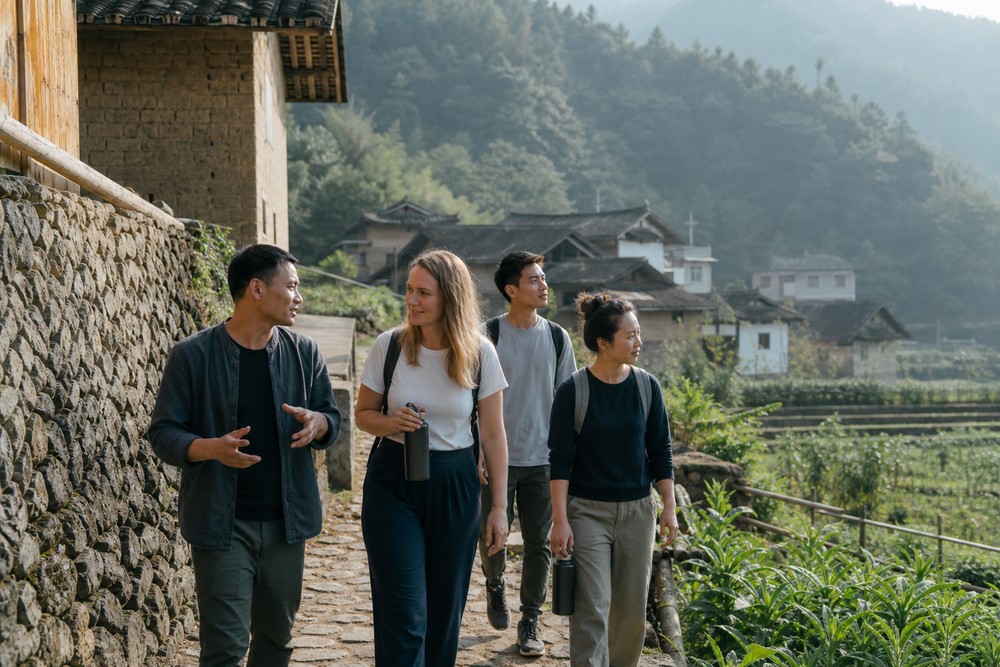
Information tells you where a place is, but local knowledge explains why it matters and how to experience it at the right pace. A good local host can translate more than words. They can interpret etiquette, introduce regional food, identify the most practical route, and explain when a famous stop is less rewarding than a quieter alternative. This is particularly useful for first-time international visitors who want cultural depth without losing time to avoidable logistics. Local support should still leave room for personal choice. Ask questions, share your interests, and be honest about mobility, food, comfort, and photography priorities. The result should feel like your journey through China, supported by people who understand the destination, rather than a fixed performance delivered to every traveler in exactly the same way.
Before you confirm your plans
Review the route once from the perspective of an ordinary travel day. Check how early you must wake, how long you will sit in a vehicle, where meals fit, and whether there is time to use a restroom, rest, or change plans. Confirm names and addresses in Chinese, save bookings offline, and share the schedule with someone you trust. Recheck weather and official access information shortly before travel. If the plan includes a guide or operator, request a written itinerary with contact details and clear inclusions. These small steps are not glamorous, but they protect the time and attention you want to give to the destination itself.
Practical checklist
- Start with a museum or historical overview
- Group UNESCO components by location
- Treat temples and mosques as active sacred spaces
- Allow two days when possible
- Keep Chinese names saved for transport
Plan with confidence
Good travel planning balances reliable logistics with room for discovery. Confirm opening hours, transport, weather, and current regulations through authoritative sources shortly before each travel day. Avoid building a schedule that depends on every connection being perfect. A knowledgeable local specialist can be useful when language, rural transport, heritage interpretation, or dietary needs are important. The goal is not to remove every surprise, but to make sure the surprises are enjoyable rather than stressful.
Frequently asked questions
Why is Quanzhou a UNESCO World Heritage site?
Its serial heritage property demonstrates the institutions, communities, production, transport, and religious diversity that supported a major maritime trading center.
Is Quanzhou suitable for a day trip?
Yes, but one day should focus on the historic center. Two days allow a more complete understanding and an excursion.
A thoughtful next step
Use this guide as a starting point, then adapt it to your pace, interests, season, and comfort level. China rewards travelers who prepare carefully and remain curious once they arrive. Eastorya Travel focuses on authentic local experiences in Xiamen and Fujian, with practical support and space for genuine cultural discovery. If you would like help shaping a private itinerary, contact our local team with your preferred dates and travel priorities.
 콘텐츠로 건너뛰기


 English
  Spanish
  Vietnamese
  Indonesian
  Thai
Thai  Russian
  Korean