Fujian is a subtropical coastal province, so the best time to visit depends on what you want to experience. Xiamen has sea breezes and urban walks, the Tulou areas sit in greener mountain country, and inland tea landscapes can feel cooler and wetter. Spring and autumn are usually the most comfortable periods, but every season offers advantages. Understanding humidity, rain, holidays, and local geography helps you choose dates that fit your travel style.
Spring: green landscapes and changing weather
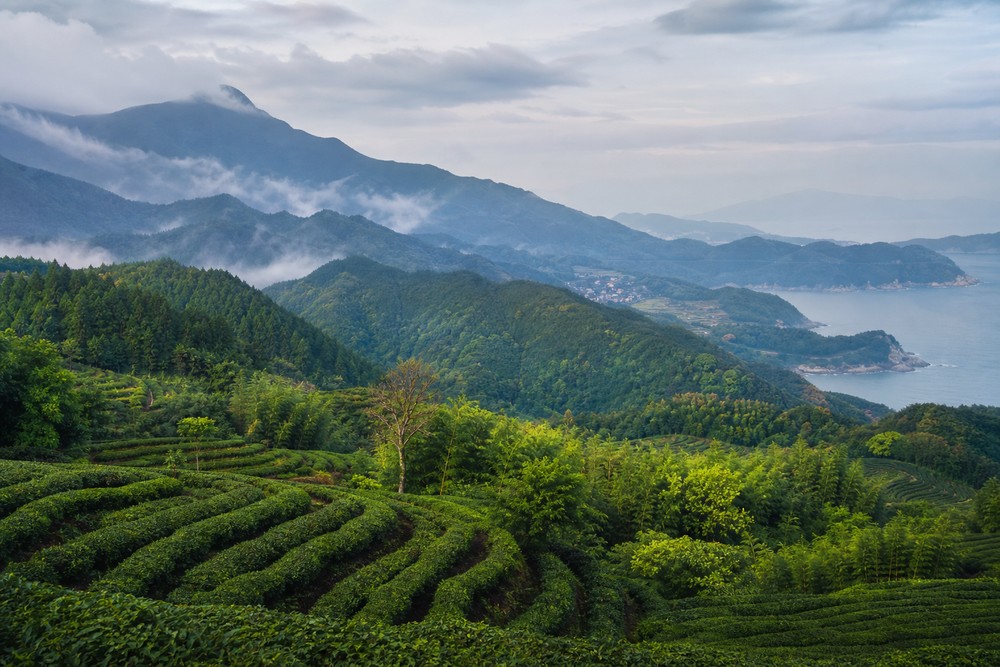
From March into May, Fujian becomes intensely green. Tea gardens, bamboo, and mountain villages are especially photogenic, while temperatures are generally comfortable for walking. Rain is common and can arrive in short or sustained periods. Bring a breathable waterproof layer and shoes with reliable grip. Spring suits travelers who value atmospheric landscapes and do not mind adjusting plans around showers.
Summer: coastal energy and heat
June through August is hot, humid, and lively. Xiamen’s waterfront is attractive early and late in the day, but midday sightseeing can be tiring. Typhoons can affect the coast and transport, so schedules need flexibility. Summer travelers should book refundable arrangements where possible, carry water, and prioritize museums, shaded lanes, and relaxed meals during the hottest hours.
Autumn: the most balanced season
September through November often brings clearer skies, lower humidity, and comfortable temperatures. It is an excellent period for walking in Quanzhou, exploring Fuzhou’s historic districts, and taking scenic drives through Tulou country. National holidays can create heavy domestic travel demand, especially around early October. Avoid peak dates when possible or reserve transport and accommodation well in advance.
Winter: quieter cities and mild coastal days
December through February is cooler and often quieter. Coastal Fujian is milder than northern China, although indoor spaces and mountain villages can feel cold. Winter works well for cultural sites, food-focused trips, and travelers who prefer fewer crowds. Pack layers rather than assuming the subtropical label means warm weather every day.
Match the season to your interests
Photographers often favor spring mist or clear autumn light. Families may prefer April, May, October, or November for moderate temperatures. Travelers focused on temples, museums, and cuisine can visit in any season, while hikers should avoid the hottest and wettest periods. Local festivals can enrich a trip, but dates and public access vary, so confirm details before building an itinerary around a single event.
How to fit this experience into a wider China itinerary
A strong itinerary gives this subject enough time to feel connected rather than isolated. Start by deciding how spring: green landscapes and changing weather, summer: coastal energy and heat, and autumn: the most balanced season relate to the places before and after them. Keep arrival and departure days light, especially when a flight, ferry, rural drive, or large railway station is involved. Use one well-located base where possible and group nearby visits on the same day. This reduces repetitive transfers and leaves more energy for conversations, meals, and unplanned discoveries. If your schedule is short, remove a stop rather than shortening every stop. The best travel memories often come from an extra hour in one neighborhood or village, not from reaching the highest possible number of attractions.
Common planning mistakes to avoid
The first mistake is relying on an itinerary copied from a stranger whose season, pace, budget, and interests may be completely different. The second is treating travel time shown on a map as the full door-to-door journey. Security checks, station walks, traffic, weather, and ticket collection can add meaningful time. Another mistake is postponing essential preparation until arrival. Complete the practical items in this guide early, including march to may for lush scenery and tea landscapes and october to november for comfortable city walks. Finally, avoid making claims or bookings based only on promotional language. Check what is actually included, whether a site remains open, and whether an experience is appropriate for residents as well as visitors. Clear expectations create a calmer trip and make it easier to respond when conditions change.
Why local knowledge improves the journey
Information tells you where a place is, but local knowledge explains why it matters and how to experience it at the right pace. A good local host can translate more than words. They can interpret etiquette, introduce regional food, identify the most practical route, and explain when a famous stop is less rewarding than a quieter alternative. This is particularly useful for first-time international visitors who want cultural depth without losing time to avoidable logistics. Local support should still leave room for personal choice. Ask questions, share your interests, and be honest about mobility, food, comfort, and photography priorities. The result should feel like your journey through China, supported by people who understand the destination, rather than a fixed performance delivered to every traveler in exactly the same way.
Before you confirm your plans
Review the route once from the perspective of an ordinary travel day. Check how early you must wake, how long you will sit in a vehicle, where meals fit, and whether there is time to use a restroom, rest, or change plans. Confirm names and addresses in Chinese, save bookings offline, and share the schedule with someone you trust. Recheck weather and official access information shortly before travel. If the plan includes a guide or operator, request a written itinerary with contact details and clear inclusions. These small steps are not glamorous, but they protect the time and attention you want to give to the destination itself.
Practical checklist
- March to May for lush scenery and tea landscapes
- October to November for comfortable city walks
- Early mornings and evenings for summer coastal visits
- Layers for winter villages and changing elevations
- Flexible bookings during typhoon season
Plan with confidence
Good travel planning balances reliable logistics with room for discovery. Confirm opening hours, transport, weather, and current regulations through authoritative sources shortly before each travel day. Avoid building a schedule that depends on every connection being perfect. A knowledgeable local specialist can be useful when language, rural transport, heritage interpretation, or dietary needs are important. The goal is not to remove every surprise, but to make sure the surprises are enjoyable rather than stressful.
Frequently asked questions
What is the best month to visit Xiamen?
October and November are often comfortable, with lower humidity and pleasant conditions for coastal walks.
Does it rain a lot in Fujian?
Rain is part of Fujian’s subtropical climate, especially in spring and early summer. It is wise to build flexibility into outdoor plans.
A thoughtful next step
Use this guide as a starting point, then adapt it to your pace, interests, season, and comfort level. China rewards travelers who prepare carefully and remain curious once they arrive. Eastorya Travel focuses on authentic local experiences in Xiamen and Fujian, with practical support and space for genuine cultural discovery. If you would like help shaping a private itinerary, contact our local team with your preferred dates and travel priorities.
 Перейти к содержимому



 English
  Spanish
  Vietnamese
  Indonesian
  Thai
Thai  Russian
  Korean