Fujian is a subtropical coastal province, so the best time to visit depends on what you want to experience. Xiamen has sea breezes and urban walks, the Tulou areas sit in greener mountain country, and inland tea landscapes can feel cooler and wetter. Spring and autumn are usually the most comfortable periods, but every season offers advantages. Understanding humidity, rain, holidays, and local geography helps you choose dates that fit your travel style.
Spring: green landscapes and changing weather
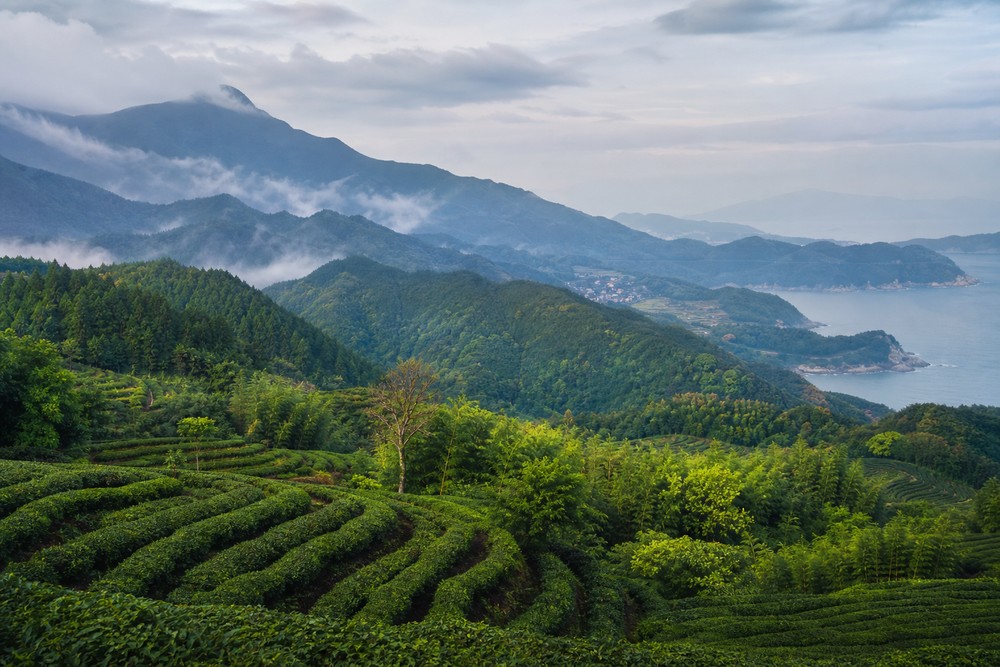
From March into May, Fujian becomes intensely green. Tea gardens, bamboo, and mountain villages are especially photogenic, while temperatures are generally comfortable for walking. Rain is common and can arrive in short or sustained periods. Bring a breathable waterproof layer and shoes with reliable grip. Spring suits travelers who value atmospheric landscapes and do not mind adjusting plans around showers.
Summer: coastal energy and heat
June through August is hot, humid, and lively. Xiamen’s waterfront is attractive early and late in the day, but midday sightseeing can be tiring. Typhoons can affect the coast and transport, so schedules need flexibility. Summer travelers should book refundable arrangements where possible, carry water, and prioritize museums, shaded lanes, and relaxed meals during the hottest hours.
Autumn: the most balanced season
September through November often brings clearer skies, lower humidity, and comfortable temperatures. It is an excellent period for walking in Quanzhou, exploring Fuzhou’s historic districts, and taking scenic drives through Tulou country. National holidays can create heavy domestic travel demand, especially around early October. Avoid peak dates when possible or reserve transport and accommodation well in advance.
Winter: quieter cities and mild coastal days
December through February is cooler and often quieter. Coastal Fujian is milder than northern China, although indoor spaces and mountain villages can feel cold. Winter works well for cultural sites, food-focused trips, and travelers who prefer fewer crowds. Pack layers rather than assuming the subtropical label means warm weather every day.
Match the season to your interests
Photographers often favor spring mist or clear autumn light. Families may prefer April, May, October, or November for moderate temperatures. Travelers focused on temples, museums, and cuisine can visit in any season, while hikers should avoid the hottest and wettest periods. Local festivals can enrich a trip, but dates and public access vary, so confirm details before building an itinerary around a single event.
Cómo integrar esta experiencia en un itinerario más amplio por China
A strong itinerary gives this subject enough time to feel connected rather than isolated. Start by deciding how spring: green landscapes and changing weather, summer: coastal energy and heat, and autumn: the most balanced season relate to the places before and after them. Keep arrival and departure days light, especially when a flight, ferry, rural drive, or large railway station is involved. Use one well-located base where possible and group nearby visits on the same day. This reduces repetitive transfers and leaves more energy for conversations, meals, and unplanned discoveries. If your schedule is short, remove a stop rather than shortening every stop. The best travel memories often come from an extra hour in one neighborhood or village, not from reaching the highest possible number of attractions.
Errores habituales de planificación que hay que evitar
The first mistake is relying on an itinerary copied from a stranger whose season, pace, budget, and interests may be completely different. The second is treating travel time shown on a map as the full door-to-door journey. Security checks, station walks, traffic, weather, and ticket collection can add meaningful time. Another mistake is postponing essential preparation until arrival. Complete the practical items in this guide early, including march to may for lush scenery and tea landscapes and october to november for comfortable city walks. Finally, avoid making claims or bookings based only on promotional language. Check what is actually included, whether a site remains open, and whether an experience is appropriate for residents as well as visitors. Clear expectations create a calmer trip and make it easier to respond when conditions change.
Por qué el conocimiento local mejora el viaje
La información te dice dónde está un lugar, pero el conocimiento local explica por qué es importante y cómo disfrutarlo al ritmo adecuado. Un buen anfitrión local puede traducir mucho más que palabras. Puede interpretar las normas de etiqueta, dar a conocer la gastronomía regional, indicar la ruta más práctica y explicar cuándo una parada famosa resulta menos interesante que una alternativa más tranquila. Esto resulta especialmente útil para los visitantes internacionales que vienen por primera vez y desean profundizar en la cultura sin perder tiempo en cuestiones logísticas evitables. El apoyo local debe dejar, no obstante, margen para la elección personal. Haz preguntas, comparte tus intereses y sé sincero sobre tus prioridades en cuanto a desplazamientos, comida, comodidad y fotografía. El resultado debería parecer tu propio viaje por China, con el apoyo de personas que conocen el destino, en lugar de un programa preestablecido que se ofrece a todos los viajeros exactamente de la misma manera.
Antes de confirmar tus planes
Revisa la ruta una vez desde la perspectiva de un día normal de viaje. Comprueba a qué hora tienes que levantarte, cuánto tiempo pasarás sentado en un vehículo, dónde se incluyen las comidas y si hay tiempo para ir al baño, descansar o cambiar de planes. Confirma los nombres y direcciones en chino, guarda las reservas sin conexión y comparte el itinerario con alguien de confianza. Vuelve a comprobar la información meteorológica y las condiciones de acceso oficiales poco antes del viaje. Si el plan incluye un guía o un operador, solicita un itinerario por escrito con datos de contacto y una descripción clara de lo que está incluido. Estos pequeños pasos no son muy glamurosos, pero te permiten dedicar todo el tiempo y la atención que deseas al propio destino.
Lista de comprobación práctica
- March to May for lush scenery and tea landscapes
- October to November for comfortable city walks
- Early mornings and evenings for summer coastal visits
- Layers for winter villages and changing elevations
- Flexible bookings during typhoon season
Planifica con confianza
Una buena planificación del viaje combina una logística fiable con margen para el descubrimiento. Confirma los horarios de apertura, el transporte, la meteorología y la normativa vigente a través de fuentes fidedignas poco antes de cada día de viaje. Evita elaborar un itinerario que dependa de que todas las conexiones salgan a la perfección. Un especialista local con conocimientos puede resultar útil cuando el idioma, el transporte rural, la interpretación del patrimonio o las necesidades alimentarias son importantes. El objetivo no es eliminar todas las sorpresas, sino asegurarse de que las sorpresas sean agradables en lugar de estresantes.
Preguntas frecuentes
What is the best month to visit Xiamen?
October and November are often comfortable, with lower humidity and pleasant conditions for coastal walks.
Does it rain a lot in Fujian?
Rain is part of Fujian’s subtropical climate, especially in spring and early summer. It is wise to build flexibility into outdoor plans.
Un siguiente paso bien meditado
Utiliza esta guía como punto de partida y, a continuación, adáptala a tu ritmo, tus intereses, la época del año y tu nivel de comodidad. China recompensa a los viajeros que se preparan con esmero y mantienen la curiosidad una vez allí. Eastorya Travel se centra en experiencias locales auténticas en Xiamen y Fujian, ofreciendo apoyo práctico y espacio para un auténtico descubrimiento cultural. Si necesitas ayuda para diseñar un itinerario personalizado, ponte en contacto con nuestro equipo local indicando tus fechas preferidas y tus prioridades de viaje.
 Ir al contenido



 English
  Spanish
  Vietnamese
  Indonesian
  Thai
Thai  Russian
  Korean