 Chuyển thẳng đến nội dung
Fujian
Fuzhou
福州
Fujian’s capital blends historic lanes, banyan-shaded streets, regional cuisine, Min River scenery, and convenient connections across the province.
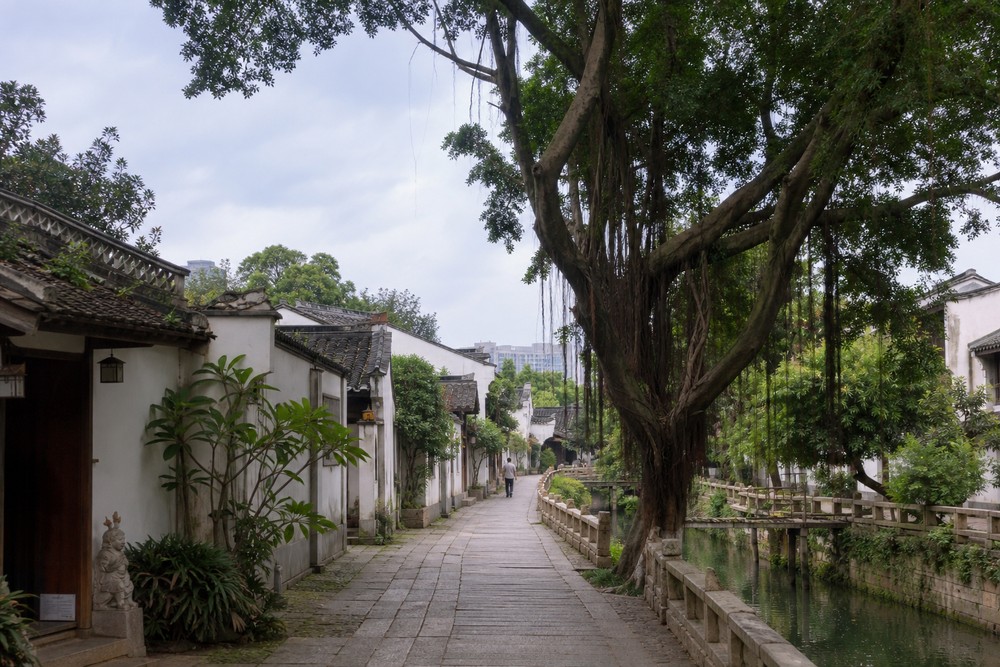
Discover Fuzhou
Why visit Fuzhou?
Fuzhou is the political and cultural capital of Fujian, shaped by the Min River, maritime connections, scholarly traditions, and a warm subtropical climate. The city’s banyan trees, hot springs, historic residences, and distinctive food give it a character different from Xiamen and Quanzhou.
Three Lanes and Seven Alleys provides the best-known introduction, but riverside areas, temples, markets, museums, and neighborhood food traditions reward a longer stay.
Historic Urban Architecture
Three Lanes and Seven Alleys preserves courtyards, former residences, and the texture of an influential scholarly quarter.
A Distinctive Regional Cuisine
Fuzhou cooking is known for refined soups, seafood, fish balls, and balanced sweet-sour flavors.
Gateway to Northern Fujian
Rail and air connections make Fuzhou a useful base for coastal areas, mountain regions, and onward travel.
Top Experiences
Things to do in Fuzhou
Signature sights and authentic local experiences worth adding to your visit.
Explore Three Lanes and Seven Alleys
Walk historic lanes, visit selected residences, and look beyond restored storefronts into the city’s scholarly heritage.
Taste Traditional Fish Balls
Learn how the springy fish paste and savory filling are made, and why the dish carries strong family associations.
Follow the Min River
See riverside parks, bridges, and evening city views that reveal Fuzhou’s relationship with water.
Visit a Temple or Museum
Add local context through a historic temple, provincial museum, or cultural collection suited to your interests.
Go Deeper
Culture & local food
Local culture
Fuzhou culture combines Min-language traditions, scholarly history, maritime migration, lacquerware, stone carving, local opera, and the rhythms of a river city shaded by banyan trees.
- Historic courtyard houses and scholar-official heritage
- Fuzhou dialect and Min cultural traditions
- Bodiless lacquerware and traditional crafts
- Maritime migration and overseas Fujian connections
What to eat
Fuzhou cuisine is one of Fujian’s major culinary traditions. It favors clear stocks, careful knife work, seafood, subtle sweet-sour balance, and dishes valued for texture as much as flavor.
- Fuzhou fish balls with a savory pork filling
- Rouyan meat-skin dumplings in clear soup
- Fotiaoqiang, or Buddha Jumps Over the Wall
- Lychee pork and seasonal seafood
Plan Around the Weather
Best time to visit
Spring · March to May
BestGreen and mild with increasing rain; a good period for gardens and historic districts.
Summer · June to August
RecommendedHot, humid, and rainy with possible typhoons; plan indoor cultural stops at midday.
Autumn · September to November
BestComfortable and generally clearer, ideal for walking and regional excursions.
Winter · December to February
RecommendedCooler but mild, with fewer visitors and good conditions for food-focused city exploration.
Know Before You Go
Practical travel information
Getting Around
Metro, taxis, and ride-hailing connect major districts. The airport is outside the city, so allow sufficient transfer time.
Where to Stay
Central areas near Three Lanes and Seven Alleys are convenient for first visits, dining, and evening walks.
Food Planning
Many traditional dishes are easier to appreciate with local ordering help. Discuss seafood allergies, dietary restrictions, and preferred flavors in advance.
Onward Travel
Fuzhou has strong rail links to Xiamen, Quanzhou, Wuyishan, and coastal Fujian, making it useful in a multi-destination itinerary.
Travel With Local Experts
Recommended Fuzhou tours

Quanzhou Maritime Silk Road Journey
Explore Quanzhou’s multicultural heritage, historic temples and maritime connections in a city that once served as one of the world’s most important trading ports.

Xiapu Coastal Photography Experience
Discover Xiapu’s tidal flats, fishing villages and changing coastal light on a flexible experience designed for travelers who enjoy landscapes and photography.

Wuyishan Tea Culture and Nature Escape
Experience the dramatic landscapes and tea traditions of Wuyishan through mountain scenery, local tea culture and relaxed exploration with a private guide.
Useful Reading
Fuzhou travel guides
Hướng dẫn du lịch
Fuzhou Travel Guide: Historic Lanes, Banyan Trees, and Fujian Culture
Plan a culturally rich visit to Fuzhou with historic neighborhoods, local cuisine, riverside scenery, practical transport advice, and day-trip ideas.
Read guideHướng dẫn du lịch
A Bowl of Fuzhou Fish Balls: Craft, Texture and Family Memory
Explore the everyday craft behind Fuzhou fish balls and why a simple bowl can carry stories of technique, neighborhood food and family taste.
Read guideHướng dẫn du lịch
Why Tea Tables Matter in Fujian Homes and Shops
Discover how small cups, repeated infusions and unhurried conversation make the tea table an important part of everyday social life in Fujian.
Read guideHướng dẫn du lịch
Best Time to Visit Fujian: Weather, Seasons, and Local Experiences
Compare Fujian weather by season and choose the best months for Xiamen, Tulou villages, Quanzhou, Fuzhou, hiking, and cultural travel.
Read guideFrequently Asked Questions
Planning a visit to Fuzhou
Can I include this destination in a private itinerary?
Yes. Eastorya can combine this destination with other places in Fujian and adjust the pace, transport, guiding, and accommodation to suit your trip.
Is English widely spoken?
English is limited outside major hotels and visitor facilities. An English-speaking guide makes transport, local meals, and cultural visits easier and more meaningful.
How far ahead should I plan?
Four to eight weeks is comfortable for most trips. Plan earlier around Chinese public holidays, popular weekends, or when you want distinctive accommodation.
Lập kế hoạch cùng Eastorya
See Fuzhou Through Local Eyes
Build a private city stay around historic lanes, Fujian cuisine, river scenery, crafts, and convenient onward travel.
 English
  Spanish
  Vietnamese
  Indonesian
  Thai
Thai  Russian
  Korean