 Chuyển thẳng đến nội dung
Fujian
Quanzhou
泉州
A deeply layered port city of UNESCO heritage, active temples, old streets, traditional crafts, and the enduring legacy of the Maritime Silk Road.
Discover Quanzhou
Why visit Quanzhou?
Quanzhou was one of the world’s great ports during the Song and Yuan dynasties. Merchants and religious communities from across Asia left a remarkable concentration of temples, inscriptions, bridges, tombs, and maritime sites.
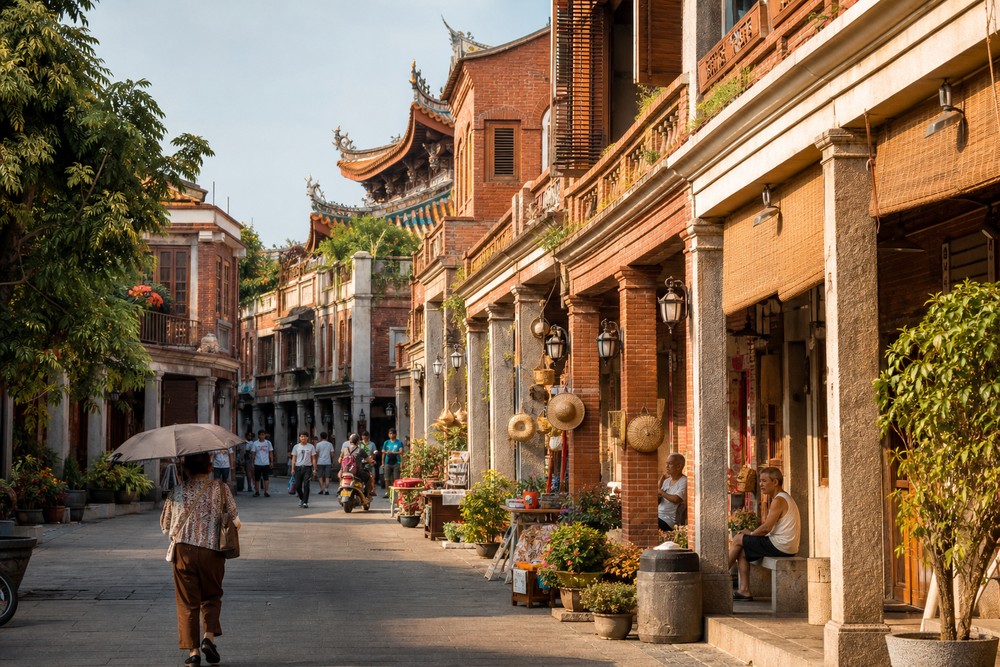
Today, UNESCO-listed heritage exists alongside active worship, puppet theatre, incense shops, family businesses, and busy neighborhood streets. Quanzhou rewards slow exploration and attention to the connections between global history and living local culture.
A UNESCO Maritime City
The city’s serial World Heritage property links ports, temples, bridges, administration, and production into one trading story.
Exceptional Religious Diversity
Buddhist, Islamic, Taoist, folk, Hindu-influenced, and Christian traces reflect centuries of exchange.
Living Old-City Culture
Historic streets remain active with temples, food shops, crafts, performances, and community rituals.
Top Experiences
Things to do in Quanzhou
Signature sights and authentic local experiences worth adding to your visit.
Visit Kaiyuan Temple
Explore ancient pagodas, temple halls, and stone details at one of Fujian’s most important Buddhist complexes.
Walk West Street and Nearby Lanes
Move beyond the main street into neighborhoods where temples, red-brick homes, and daily businesses remain active.
Trace Maritime Faiths
Connect Qingjing Mosque, maritime deity traditions, and selected religious sites to the port’s international communities.
Discover Traditional Performance
Look for puppet theatre, Nanyin music, or craft traditions that continue Quanzhou’s intangible heritage.
Go Deeper
Culture & local food
Local culture
Quanzhou’s cultural identity grew from maritime exchange without losing its southern Fujian roots. Religious tolerance, overseas connections, red-brick architecture, Nanyin music, and puppet traditions all remain visible.
- UNESCO Maritime Silk Road heritage
- Nanyin music and traditional puppetry
- Mazu, Guandi, and active folk-religion traditions
- Red-brick houses and overseas Chinese architecture
What to eat
Quanzhou cuisine reflects the produce and seafood of southern Fujian, with sweet-savory flavors, clear soups, noodles, braised dishes, and snacks linked to temple and neighborhood life.
- Mianxian hu noodle paste for breakfast
- Runbing spring rolls filled to order
- Beef dishes and savory meat snacks
- Oyster omelet, seafood, and traditional sweets
Plan Around the Weather
Best time to visit
Spring · March to May
BestComfortable for old-city walks, although rain becomes more frequent later in spring.
Summer · June to August
RecommendedHot, humid, and sometimes stormy; use mornings and evenings for outdoor heritage sites.
Autumn · September to November
BestDryer, clearer weather is excellent for walking and architectural photography.
Winter · December to February
RecommendedMild days and cooler evenings suit temples and neighborhoods with relatively light crowds.
Know Before You Go
Practical travel information
Getting Around
The historic center is best explored on foot with short taxi or ride-hailing transfers. More distant UNESCO components require a vehicle.
Temple Etiquette
Dress respectfully, avoid blocking worshippers, follow photography signs, and ask before photographing rituals or individuals.
How Long to Stay
One day covers major central sites, but two or three days allow deeper neighborhood walks, museums, performances, and outlying heritage.
Combining Destinations
High-speed rail connects Quanzhou with Xiamen and Fuzhou. It works well as part of a broader coastal Fujian itinerary.
Travel With Local Experts
Recommended Quanzhou tours

Quanzhou Maritime Silk Road Journey
Explore Quanzhou’s multicultural heritage, historic temples and maritime connections in a city that once served as one of the world’s most important trading ports.
Useful Reading
Quanzhou travel guides
Hướng dẫn du lịch
Quanzhou Travel Guide: Discover China’s Maritime Silk Road Heritage
Explore Quanzhou’s UNESCO heritage, temples, historic streets, food, and multicultural maritime history with this practical travel guide.
Read guideHướng dẫn du lịch
Incense, Stone and Street Life in Quanzhou’s Temple Neighborhoods
Walk through Quanzhou neighborhoods where active temples, old streets and everyday businesses reveal how heritage remains part of city life.
Read guideHướng dẫn du lịch
Hands Behind the Stage: Traditional Puppetry in Southern Fujian
Look behind the curtain at the coordination, music and patient practice that keep traditional puppet performance connected to communities in southern Fujian.
Read guideHướng dẫn du lịch
Quy tắc ứng xử khi dùng bữa tại Trung Quốc dành cho du khách: Hướng dẫn thân thiện và thiết thực
Enjoy meals in China with confidence by learning practical table manners, shared dining customs, toasting, chopsticks, dietary communication, and payment habits.
Read guideFrequently Asked Questions
Planning a visit to Quanzhou
Can I include this destination in a private itinerary?
Yes. Eastorya can combine this destination with other places in Fujian and adjust the pace, transport, guiding, and accommodation to suit your trip.
Is English widely spoken?
English is limited outside major hotels and visitor facilities. An English-speaking guide makes transport, local meals, and cultural visits easier and more meaningful.
How far ahead should I plan?
Four to eight weeks is comfortable for most trips. Plan earlier around Chinese public holidays, popular weekends, or when you want distinctive accommodation.
Lập kế hoạch cùng Eastorya
Discover the Stories of Maritime Quanzhou
Explore UNESCO sites, active temples, old neighborhoods, and local flavors with a private guide who connects the city’s many layers.
 English
  Spanish
  Vietnamese
  Indonesian
  Thai
Thai  Russian
  Korean